• Skip to primary navigation
  • Skip to main content

Myoksha Travels

Powered by The Temple Girl

  • Temple Tours
  • Jyotirlinga in Maharashtra
  • Dwarka Somnath Tour
  • Char Dham Yatra 2026
  • Panch Dwarka Temples
  • Jyotirlinga in India
  • Contact Us

Char Dham Yatra

Rudraprayag

August 9, 2019, Sasidhar Darla Leave a Comment Filed Under: Char Dham Yatra, Uttarakhand Temples Tagged With: Other Temples, Panch Prayag

Rudraprayag is the fourth among the five confluences of river Alaknanda (Panch Prayag). It observes the confluence of the river Alaknanda and Mandakini. The place maps in Chamoli district of Uttarakhand. Moreover, the place is elevated at a height of 895 metres.

The place of holy confluence flaunts its temples like Kedarnath Temple, Omkareshwara Shiva temple, Madmaheshwara Temple and Trijuginarayan temple.

Koteshwar Mahadev is a cave like temple present at a distance of 3 km from the fourth Prayag. Here, Lord Shiva once meditated on his way to Kedarnath.

Originating from Kedarnath, Holy Mandakini is the major river of the area. This place is also a famous pilgrimage destination on the route of the four holy Dham pilgrimage.

Chronicles of Rudraprayag

The first legend talks about the creation of Rudraprayag. The tale dots a mythological king named Putraka. Putraka is believed to have brought Rudraprayag to life using magic for his beloved wife Patali. Hence, the place was earlier known as Pataligram, in which ‘Gram’ stood for the village. Further, the city was Kedarnath ‘Patliputra‘ in the honour of Patali’s son.

There are also stories revolving around Ajatshatru, the king of Magadh. Beliefs are that around 490 BC Ajatshatru took up Rudrapur as his capital instead of Rajgarh. Apparently, he also fortified this place for the same. Moreover, Gautam Buddha also graced the place during his nearing time.

Chronicles of Rudraprayag
Sage Narada worshipped Lord Vishnu at Rudraprayag after which Lord Vishnu appeared before him.

Kedarkhand states that sage Narada worshipped Lord Shiva on one foot at this holy confluence. After which Lord Shiva appeared before him and gave him a Harp.

Essence of the Confluence

Rudraprayag is known after the Rudra avatar of Lord Shiva. There also stands a temple of Rudranath by the banks of the holy confluence. Also, the place is home to various Shiv temples other than Rudranath.

Essence of Rudraprayag
Rudraprayag is known after the Rudra form of Lord Shiva.

Rudraprayag also happens to be the spot where Pandavas came for repentance after killing their brothers in the battle of Mahabharat. Hereafter, they left for heaven.

The significance of Rudraprayag is that the name of this confluence has been derived from ‘Rudra‘, which is a form of Lord Shiva. Hence, one can spot many Shiva temples in the vicinity of Rudraprayag. As per epics, Lord Shiva appeared here to bless sage Narad.

Devotees often refer to the place as ‘Abode of the Gods’ because of its beauty and serenity. Moreover, Agastamuni is present at a distance of 18 km from Rudraprayag. Rishi Agastya meditated at Agastamuni for many years which added up religious significance to the place.

Ways to Reach Rudraprayag

Here’s how to reach Rudraprayag:

  • Air: The nearest airport to the holy confluence is Jolly Grant Airport. It stands 155.9 km away from Rudraprayag.
  • Train: The nearest railway station is Rishikesh railway station. It is at a distance of 140 km from the holy confluence.
  • Road: Rudraprayag is present on NH58. Hence, buses going from New Delhi to Badrinath, via Haridwar and Rishikesh pass through Rudraprayag.

Stays nearby Rudraprayag

Some of the places where one can stay near Rudraprayag while undertaking the Char Dham Yatra are:

  • Chopta Meadows: The place has got an ideal location along with a package of all the amenities to offer to its guests. Moreover, it’s also budget-friendly.
  • V Resorts Pauri: This resort is a perfect retreat for the devotees on the Char Dham Yatra. It’s available with all the modern amenities and is light on the guest’s budget.
  • Riverside Resorts: This place has got beautiful interiors and the perfect hilltop view. Also, guests can avail all the luxuries here.

Other Panch Prayags

The other Panch Prayag destinations are:

  • Vishnuprayag: Present 1372 metres above sea level, this is the first Prayag, as per the route of Alaknanda. It is 123.4 km away from Rudraprayag.
  • Nandaprayag: Mythology predicts the place to have been the capital of Yadu Kingdom in ancient times. It is the second confluence following Vishnuprayag. It is at a distance of 53.3 km from Rudraprayag.
  • Karnaprayag: This place observes the confluence of river Alaknanda and Pindar, in the Chamoli district of Uttarakhand. It is third of the Panch Prayag. It is 33.2 km away from the fourth Prayag.
  • Devprayag: Placed at the last confluence of river Alaknanda and Bhagirathi, in Uttarakhand. This is the spot from where the rivers Alaknanda and Bhagirathi unify and flow as Ganga or Ganges. It is at a distance of 67.3 km from Rudraprayag.

The Panch Prayag are a part of the Char Dham Yatra within Uttarakhand

Frequently Asked Questions About Rudraprayag

Which rivers meet at the fourth Prayag?

Rivers Alaknanda and Mandakini meet at this place.

What is the best time to visit Rudraprayag?

The best time to visit this place is from March to October.

How much time is required to see around the place?

One might need at least 2-3 days to see around this place.

Read about Panch Prayag in Panch Prayag- Five Sacred Confluences in Uttarakhand.

Omkareshwar Temple Ukhimath

September 25, 2019, Sasidhar Darla Leave a Comment Filed Under: Char Dham Yatra, Uttarakhand Temples Tagged With: Shiva Temples

Omkareshwar Temple or Omkareshwar Pith is an ancient Hindu temple in Ukhimath, in the Rudraprayag district of Uttarakhand. Moreover, it’s home to Kedarnath and Madhmaheshwar deities during peak winters. Hence, during the season of heavy snowfall both of these deities are worshipped here in Omkareshwar temple. It is elevated to a height of 1300 metres.

Omkareshwar Pith is 41 km away from the holy confluence of Alaknanda and Mandakini that is Rudraprayag.

Ukhimath or Okhimath extends it land to many more centuries-old temples dedicated to Gods and Goddesses such as Usha, Shiva, Aniruddha, Parvati and Mandhata. However, mainly the head priests of Kedarnath known as Rawals live in the town. Also, it is a part of the Char Dham Yatra tour destinations within Uttarakhand

Facts About Omkareshwar Temple in Ukhimath

Temple Timings5 am – 12 pm
2 pm – 9 pm
Time required for Darshan30 – 40 minutes
Entry FeeNo Fee
Best Time to VisitMarch – June
Nearest AirportJolly Grant Airport
LocationRudraprayag district, Uttarakhand

What are the timings of the Temple?

Devotees can avail darshan during these hours-

TimingsFromTo
Morning5 am12 pm
Evening2 pm9 pm

What is the significance of Omkareshwar Temple Ukhimath?

Omkareshwar Temple holds significant importance as the winter home for Lord Kedarnath and Madmaheshwar as the pathway to these remains shut during winters. Hence, the idols of the deities are carried to Omkareshwar Temple past Diwali and worshipped here for the next six months.

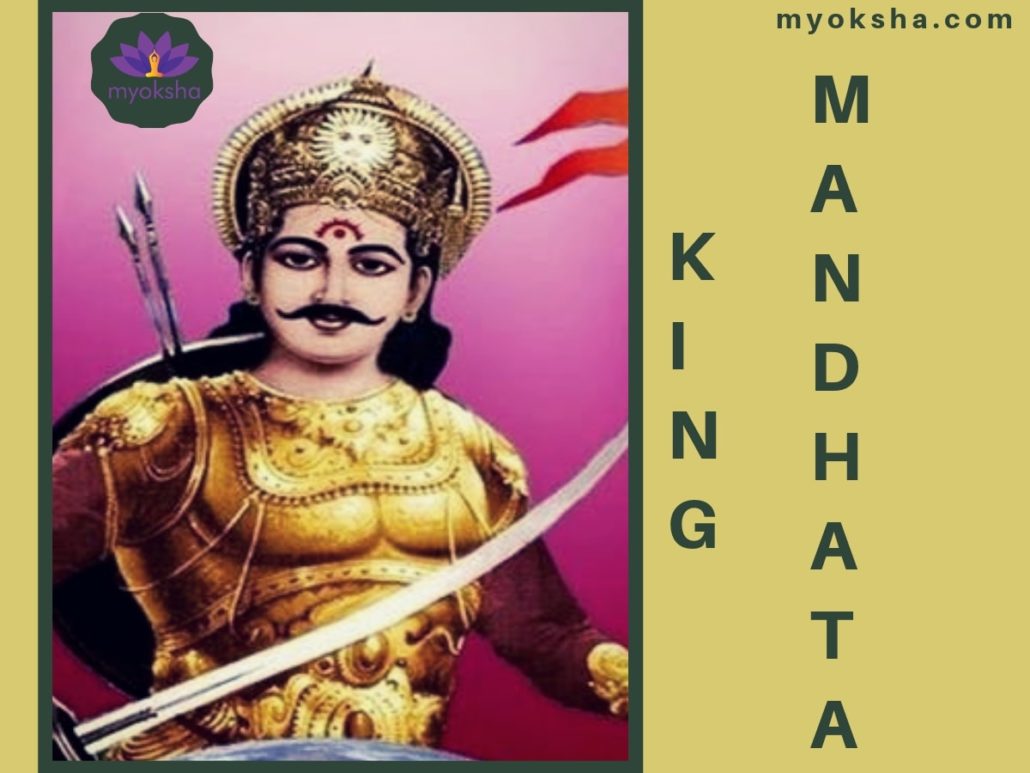
Eventually, these deities travel back to their own abodes in a procession that is organized in the mid of May. Furthermore, the idol of Mandhata, a king and an ancestor of Lord Rama also sit inside this temple.

Ukhimath is also a doorway to different places such as Madhmaheshwar (Second Kedar), Tungnath Ji (Third Kedar) and Deoria Tal (a natural freshwater lake).

What is the history of Omkareshwar Temple Ukhimath?

Mythology says that Omkareshwar Temple in Ukhimath was the venue for the wedding of Usha (Vanasur’s daughter) and Anirudh (Lord Krishna’s grandson).

Moreover, earlier Ukhimath was popular by the name Ushamath that was inspired by Vanasur’s daughter Usha. Furthermore, legends state that Mandhata worshipped Lord Shiva here for 12 years, standing upright on one leg.

Significance of Omkareshwar Temple
King Mandhata stood on one leg and worshipped Lord Shiva at this place for 12 years.

Hence, wooed by his worship Lord Shiva appeared before him in the form of Omkar. That’s how the temple got its name.

What are the festivals celebrated at Omkareshwar Temple Ukhimath?

Following festivals call for a celebration at Omkareshwar Temple Ukhimath like –

  • Madmaheshwar Mela: It is a festival that extends to a period of three days. Moreover, it is the celebration followed by the arrival of Lord Madmaheshwar’s idol at Omkareshwar temple. Also, school students of Uttarakhand partake in the festivities by giving performances. Hereafter they also set up stalls during the meal.
Festivals celebrated in Omkareshwar Ukhimath
Madhmeshwar Mela in Ukhimath calls for a huge celebration.

How to reach Omkareshwar Temple?

Here’s how to reach Omkareshwar Temple Ukhimath, a destination of the Char Dham Yatra-

  • Air: The nearest airport is Jolly Grant Airport in Dehradun. It stands 195 km away from the temple.
  • Train: The nearest railway station is Rishikesh. It is 175 km away from Omkareshwar temple.
  • Road: Omkareshwar temple is present on the Gopeshwar-Mandal road. Hence, it is at a distance of 2 km from Ukhimath taxi stand where devotees can reach via bus or taxi from Rishikesh.

Where to stay near Omkareshwar Temple Ukhimath?

Some of the places where one can stay near Omkareshwar Temple Ukhimath are:

  • Shri Hanumant Inn and Resorts: The resort offers a luxurious stay in its well built comfortable accommodation. Moreover, the resort is situated between Ukhimath & Chopta. And is quite budget-friendly.
  • Hotel Snow View: The resort is popular as the blend of pristine environment and basic and semi-deluxe facilities such as comfortable and stylish accommodation. Moreover, the place offers great hospitality to the tourists.
  • GMVN Tourist Rest House: The hotel is an ideal choice for all classes of tourists who wish to find a budget hotel with decent facilities and good service. Moreover, warm hospitality is their speciality.

What are some places to visit near Omkareshwar Temple Ukhimath?

Some of the places to visit near Omkareshwar Temple Ukhimatha are:

  • Madhyamaheshwar: The temple is a dedication to Lord Shiva. Moreover, it is surrounded by Himalayan ranges on all sides. Also, the architecture of the temple is of Northern Indian style. Moreover, it contains a navel-shaped shiva lingam made of black stone in the sanctum.
  • Kedarnath Temple: It is a Hindu temple built to house Lord Shiva. It is present in the Garhwal region of Uttarakhand near Mandakini river. This temple is open from April-November. Moreover, it remains closed during winters due to harsh weather.

Madhyamaheshwar temple and Kedarnath Temple are also a part of the Char Dham Yatra destinations within Uttarakhand.

Haridwar Yatra Guide – Temples, Aarti, Things to Do

February 14, 2023, Sasidhar Darla Leave a Comment Filed Under: Char Dham Yatra

In the Land of Gods, Haridwar situated on the banks of River Ganga is one of the pinnacles of pilgrimage that every Hindu devotee must make to pay obeisance to the holy trinity as well as the ultimate Mother Goddess Adi Parashakti or Sati. Haridwar is a place with high spiritual value for it’s not only a place sacred to the Shaivites and the Vaishnavites but also an important site of worship for the devotees of the Shaktism sect.

The distinction can be observed by the interpretation of the meaning of the name Haridwar or Hardwar itself. Shaivites prefer the name Hardwar – “Har” being another name of Lord Shiva and “Dwar” meaning the Gate. Hardwar to them represents “Gateway to Lord Shiva’s abode”.  The journey to reach Mount Kailash for devotees begins here. For the Vaishnavites, the name Haridwar means “Hari”, another name of Lord Vishnu and “Dwar” meaning the Gate.

The city is the gateway to reach Badrinath, one of the most important temples dedicated to Lord Vishnu. Haridwar is also believed to be the abode of Goddess Sati. It is a belief that Daksha, her father resided at Haridwar in a celestial palace.

The city of Haridwar is mentioned in several Puranas and holy texts. In the Devi Bhagavatam, Haridwar is mentioned as a famous pilgrimage center. The city is also mentioned in the epic Ramayana and several times in the Mahabharata. The Vayu Purana and the Nilamata Purana also mention the holy importance of the region of Gangadwara.

Haridwar History

  • The city of Haridwar is believed to one of the oldest inhabited city in the world. Several archeological findings have proved that human civilization existed and flourished in the region as early as 1200 BC.
  • Haridwar was ruled by the Mauryas (322-185 BC) and then by the Kushanas (1st – 3rd century AD).
  • Writings of the Chinese traveler Huan Tsang who visited India in 629 AD under the reign of King Harshavardhan state the existence of fort and several temples at the region.
  • The first Sikh Guru, Guru Nanak visited Haridwar and bathed in the Kushawarta Ghat (Kankhal),
  • The famous Mughal Emperor Akbar visited Haridwar and took a dip in River Ganga and drank her water as a mark of respect. Raja Man Singh of Amber laid down the foundation for construction and renovation of several Ghats at Haridwar.

Significance of Haridwar

  • According to the Garuda Purana, Haridwar is one of the seven holiest places or Moksha Sthalas as per Hinduism. The other six are Ayodhya, Varanasi, Mathura, Kanchipuram, Ujjain, and Dwarka. These places are of great religious and spiritual importance where either God has taken an avatar (Mathura and Ayodhya) or has great mythological value like Ujjain, Haridwar, Dwarka, and Varanasi.
  • The city of Haridwar was also called Gangadwar in ancient times. The River Ganga enters the Indo-Gangetic plains of North India at Haridwar after its origin at Gaumukh at Gangotri.
  • According to the Samudra Manthan event in Hinduism, Haridwar is one of the four places where drops of Amrit accidently fell to earth when carried by Garuda. The other three places are Allahabad, Nashik, and Ujjain. These four places celebrate the grand Kumbh Mela to commemorate the significance of the event.
  • The city is also the gateway of the famed Chhota Char Dham pilgrimage of holy places in the state of Uttarakhand. These Char Dhams are Badrinath, Kedarnath, Gangotri, and Yamunotri.
  • Taking a dip in Brahma Kund, at Har Ki Pauri Ghat is considered the most sacred bath any Hindu could perform. This is the spot where the Amrit fell on the Earth. It is believed that taking a dip here will wash away all the sins committed in a lifetime.
  • The holy surroundings of Haridwar are also believed to be the place where the holy Saint Kapila had an Ashram and did penance here. This place is also referred to as Kapilasthana in ancient scripts.
  • At the Ghat of Har ki Pauri, one can witness Lord Vishnu’s footprints that are worshiped with great reverence here.

Places of pilgrimage in Haridwar

The pilgrims take the famed “Pancha Tirtha” pilgrimage within Haridwar to receive the blessings from all the Gods and the Goddesses residing here. These five places are:

  • Mansa Devi Temple or the Bilwa Tirtha

The Temple is located atop the Bilwa Parvat at approximately 2.5 km distance from the city center. The Temple is dedicated to Goddess Mansa or Manasa. The Temple is one of the three Siddha Peethas located in Haridwar. The Goddess is widely worshiped in Bengal, North-East and certain regions in Southern India.

The Sanctum or the Garbhagriha houses two idols of the deity that are worshiped – one with eight arms and the other with three heads and five arms.

Mansa Devi Temple Legend

  1. The parentage of Goddess Manasa is till date contested by several versions in the Puranas. Some believe that Goddess Manasa was the creation of Lord Shiva (hence his daughter) when his seed touched the idol erected by Kadru, the wife of Sage Kashyap. Kadru was the Mother of the Snake people. Goddess Parvati was extremely jealous of her. Suspecting Manasa of being a co-wife, she burned one of her eyes. Goddess Manasa became the chief of snakes and is believed to be the one who saved Lord Shiva from being poisoned during the Samudra Manthan episode. Tired of the constant fighting between Chandi and Manasa, Lord Shiva left her under a tree with a companion called Neto.
  2. The other theory related to her birth is that she was the daughter of Sage Kashyapa and Kadru and the sister of the King of Serpents, Vasuki. Goddess Manasa married Jagatkaru on Kashyapa’s advise on the condition that she will never disobey him. One day, she woke him up late and as a result left her. On the request of Gods, he returned later and they had a son together named Astika.
  3. Disgruntled by the disputed parentage, angered by Chandi’s (Goddess Parvati) ignorance and disappointed by her husband’s behavior, the Goddess demanded that the mortals worship her. She was calm and caring to the devotees who worshiped her and rained calamity on the devotees who did not worship her.

Significance of the shrine

  1. It is believed that a sincere wish of a devotee made to the Goddess never goes unfulfilled. The locals believe that as a mark of respect, one ties a thread around the branches of a sacred tree denoting the wish. After the wish is fulfilled, the devotee should return and remove the thread.
  2. It is believed that the Goddess controls snakes. Hence, devotees visit her to cure snake bites, curses and other snake-related issues in their horoscopes. She is also believed to bestow fertility and family harmony.

Temple Timings

The Temple opens daily at 8 AM and closes at 5 PM. The Temple is closed for darshan between 12 PM to 2 PM.

How to reach the shrine

There are two routes to reach the shrine. One way is the traditional 1.5 km trek route to reach the peak.  The other way is the cable-car service called as the “Udan Khatola” service in the local language.

  • Gangadwar or Har Ki Pauri

The world famous Ghat along the banks of River Ganga is an epitome of sanctity. The devotees religiously believe that this is the place where Lord Vishnu and Lord Shiva visited the Brahma Kund. One can also view the footsteps believed to belong to Lord Vishnu at the Ghat premises. This is the site where River Ganga actually enters the mainlands of India from the Himalayan mountain range. This is also the site where millions of devotees take a holy dip in River Ganga during the grand occasion of the Kumbh Mela. Every evening, the highly spiritual Ganga Aarti is held at 6:30 PM where hundreds of devotees light small lamps and let them afloat in the holy River with a small prayer in heart.

Any devotee or a tourist irrespective of caste, creed or religion must come and visit this place to experience the ultimate spirituality and the peacefulness that descends on the people witnessing the grand spectacle.

  • Kushawart (Kankhal)

The small town of Kankhal is located within Haridwar at a distance of 4 km from the city center. The site of Kankhal is mentioned in numerous ancient scripts and has a huge spiritual value. This is the place where it is believed that Goddess Sati immolated herself in protest of an insult to her consort Lord Shiva by her father Daksha.

Kushawart Temple Legend

The Daksheshwara Mahadev Temple is associated with the famous legend of Goddess Sati and Lord Shiva. This story is the basis of the Sthala Puranam and creation of Goddess Parvati herself. As per the legend, Daksha Prajapati, son of Lord Brahma did not want his daughter Sati to marry Lord Shiva. However, Goddess Sati married Shiva as she had always desired to do so. As a result, Daksha did not invite Goddess Sati and Lord Shiva to the Yagna he was conducting at the site. Sati wanted to participate in the Yagna and wanted Lord Shiva to accompany him. However, he refused. But against his wishes, Sati went to the Yagna. Upon arrival, she was humiliated and insulted by her father for marrying Lord Shiva. Daksha insulted Lord Shiva by calling him names. Unable to bear the humiliation of her husband, Sati fell into the Yagna Kund and immolated herself. When the news reached Lord Shiva, he was infuriated and sent his army to destroy everything in the Yagna. A huge fight ensued as Lord Shiva danced his Tandav. Lord Brahma and Lord Vishnu had to intervene and calm him down. Lord Vishnu released his Sudarshana Chakra cutting through the corpse of Sati. Her body parts fell all over the land and are now known as the Shakti Peethas in Hinduism.

Temple Timings

The Temple opens at 6 AM and closes at 8 PM.

  • Neel Parvat or the Chandi Devi Temple

The famous temple dedicated to Goddess Chandi Devi, a form of Goddess Parvati is situated atop the Neel Parvat. The Temple was built in 1929 by Suchat Singh, the King of Kashmir. The Temple is believed to be a Siddha Kshetra.

Goddess Chandi is worshiped primarily by the followers of the Shaktism sect of Hinduism. Even though there are no references to this particular form of Goddess Parvati in any Vedic texts, Puranas or Epics, the Devi Mahatmayam mentions the Goddess several times.

Neel Parvat Temple Legend

According to the temple legend, Lord Indra and other Gods of Heaven were overthrown by the demon kings Shumbha and Nishumbha. Lord Indra approached Goddess Parvati to return their kingdom and get rid of the demons to balance the power on Earth. As a result, Goddess Parvati took the form of Chandi, a beautiful woman who attracted the attention of Shumbha. He sent his chiefs Chanda and Munda to bring her to him. However, they were killed by Chandi. Enraged, he along with Nishumbha tried to kill Chandi but were slain by the Goddess. It is believed that the Goddess rested atop the hill and eventually a temple commemorating the event was built for her.

Temple Timings

The Temple opens at 8 AM and closes at 6 PM. The shrine remains closed between 12 PM to 3 PM.

How to reach the Chandi Devi Temple

There are two ways to reach the shrine. The older route involves trekking a distance of about 3 km to the shrine. The newer route involves boarding the cable-car at the mountain base.

  • Maya Devi Temple

The eleventh-century ancient temple dedicated to Goddess Maya, a form of Goddess Shakti is worshiped here with great reverence here.  The importance of the shrine can be gauged by the fact that the city of Haridwar itself was called Mayapuri in ancient times. The deity worshiped here is in the form of a three-headed Goddess with four arms.

Significance of the shrine

It is contested but believed by locals that the shrine is one of the Shakti Peethas of Goddess Sati. It is a belief that her navel and heart fell at the site.

The site is also revered as a Siddha Kshetra along with the Mansa Devi Temple and the Chandi Devi Temple.

Temple Timings

The Temple opens at 6:30 AM and closes at 9 PM. The Temple remains closed between 12 PM to 3 PM.

How to reach the Temple

The Temple is located just 1.5 km from the Bus Stand and the Railway Station. One can hire a taxi from there till the temple.

Festivals celebrated at Haridwar

  • Kumbh Mela – As per the legend, Lord Vishnu’s vehicle, the Garuda spilled four drops of holy Amrit which he obtained by the churning of the milk on Earth. He was carrying the Amrit in a Kumbh (Pot). The drops fell in Haridwar, Allahabad, Nasik and Ujjain. In Haridwar, the Mela is held on the banks of River Ganga at Har Ki Pauri. The Mela is celebrated once every 12 years. The Mela has been officially and internationally accepted as the largest religious gathering in the world. Millions of pilgrims from all over the world attend the festivities and take a dip in the holy River Ganga.
  • Ardh Kumbh Mela – The Ardh Kumbh Mela is held once every six years. This Mela is held between two full Kumbh Melas at Prayag (Allahabad) and Haridwar.
  • Kanwar Mela – The Kanwar Yatra is also called as the Kavad Yatra. This is an annual pilgrimage or Yatra undertaken by thousands of devotees especially in the month of Shravan (July-August). The devotees of Lord Shiva who participate in the Yatra are called Kanwariyas. They travel barefooted to cities like Haridwar, Gaumukh, and Gangotri to collect the water of River Ganga. This water is then poured over Lord Shiva at their respective homes and other temples. This yatra is extremely popular among the devotees especially from Delhi, Uttar Pradesh, Haryana, Rajasthan, Punjab, Bihar, Jharkhand and Madhya Pradesh.

How to reach Haridwar

  • By Air – The nearest airport is the Jolly Grant Airport situated at Dehradun which is 37 km from Haridwar. The airport operates flights to and fro from major cities like Delhi, Mumbai, Bengaluru, Hyderabad, Trivandrum, Chennai and Lucknow. Apart from that, one can also reach the Indira Gandhi International Airport at Delhi which is well connected to all major cities in India.
  • By Train – Several trains from around the country connect the station Hardwar Junction. The city is well connected to places like Delhi, Dehradun, Bikaner, Patna, Howrah, Lucknow, Jaipur, Allahabad, and Mumbai.
  • By Road – The Haridwar bus station is located near the railway station. The state transport operates regular buses from Delhi, Rishikesh and Dehradun. Numerous private taxi operators provide connectivity to Haridwar from all towns and cities nearby.

Where to stay

The city is well developed and appropriate infrastructure for pilgrims as well as tourists has been constructed. Some of the budget options for a clean stay are Hotel Haridwar Residency, Hotel Gayathri Classic, and Hotel Bhagwati Nivas. Five-star options for stay are Country Inn Suites and Hotel Hari Heritage. It is advised to book accommodation in advance as the rush is always high.

Where to eat

The pilgrims and tourists can opt for a wide range of cuisine in hotels dispersed throughout the city. The food is mainly vegetarian.  The cuisine ranges from South Indian (Hotel Dosa Plates, Madras Restaurant, and Kwality Mysore Restaurant), North Indian (Hotel Hoshiyarpuriwala), Continental, Punjabi, Chinese (Chotiwalas Asli), and Bengali (Dada Boudir Hotel).

Hemkund Sahib – Timings, Significance, and History

August 20, 2019, Sasidhar Darla 2 Comments Filed Under: Char Dham Yatra, Uttarakhand Temples Tagged With: Other Temples

Hemkund Sahib (Formerly Gurudwara Shri Hemkund Sahib Ji) is a Sikh place of worship in the Chamoli district of Uttarakhand. The place is in devotion to the tenth Guru of Sikhism- Shri Guru Gobind Singh. Guru Ji has himself mentioned the place in his work ‘Dasam Granth‘.

Sri Hemkund Sahib Yatra 2019 | Live Darshan | Full of Snow

Hemkund Sahib is an important stop in the Char Dham Yatra within Uttarakhand.

Hemkund Sahib – Facts

Deity Shri Guru Gobind Singh
Location Chamoli district, Uttarakhand 249401
Best Time to Visit Summers (May – June)
Post Monsoon (September – mid-October)
Darshan Timings 5 AM to 12 PM
2 PM to 9 PM
Entry Fees Free
Dress Code Traditional Wear
Festivals Guru Gobind Singh Jayanti, Maghi

The name ‘Hemkund Sahib‘ comes from the words ‘Hem‘ meaning ‘Snow‘ and ‘Kund‘ meaning ‘reservoir or pond‘, hence meaning ‘The reservoir of snow‘. This is because the location of the pilgrimage site is amid the snow-capped Himalayas and the water of the ‘Kund’ in its front is as cold as snow.

It is also a part of the Char Dham Yatra in Uttarakhand, the holiest pilgrimage in India.

Hemkund Sahib, formally known as Gurudwara Shri Hemkund Sahib Ji.

What are the timings of Hemkund Sahib?

Here are the timings:

TimingsFromTo
Morning5 AM12 PM
Evening2 PM9 PM

What is the significance of Hemkund Sahib?

The significance of the temple is that it is one of the most religiously important Sikh pilgrimage sites. As per beliefs, Lakshaman, the younger brother of Lord Ram meditated near the lake of Hemkund Sahib.

Hemkund Sahib Significance
Lakshaman, the younger brother of Lord Ram meditated near the lake of Hemkund Sahib.

Pilgrims cannot access the site from October to April due to harsh weather conditions. Pilgrims arrive in May and repair the damage of the path to Hemkund Sahib that occurred over the winter, which is traditionally popular as ‘Kar Seva‘ (selfless service), an important concept of Sikhism.

Due to its religious importance, it becomes an important stop in the Char Dham Yatra within Uttarakhand.

What is the history of Hemkund Sahib?

According to the history of the temple, initially, local inhabitants built it under the name of ‘Lokpal‘ which means ‘the one who sustains people‘. Later, when the famous Sikh historian Bhai Santokh Singh narrated the tale of ‘Dusht Daman‘ and the place of worship or ‘Tapasthan‘.

Hemkund Sahib History 1
Bhai Santokh Singh narrated the tale of ‘Dusht Daman’.

However, Sant Sohan Singh of Tehri Garhwal discovered the present form of the temple. He visited the place with Baba Kartar Singh Bedi in 1934. Also, according to Pandit Tara Singh Narotam, it is one of the places where King Pandu meditated.

Moreover, the Dasam Granth says that God ordered Guru Gobind Singh to take birth while he was in deep meditation at the mount of Hemkund Sahib.

Hemkund Sahib History 2
God ordered Guru Gobind Singh to take birth while he was in deep meditation at the mount of Hemkund Sahib.

Festivals celebrated at Hemkund Sahib

Some of the festivals celebrated are:

  • Guru Gobind Singh Jayanti: This is the day on which Guru Gobind Singh was born. Gurudwaras take out processions on this day. Moreover, people sing devotional songs during the procession and share sweets and a cold drink or a sharbat among adults and children.
  • Maghi: This day celebrates the martyrdom of the “Forty Immortals,” forty followers of Guru Gobind Singh who had previously deserted him. They fought bravely against overwhelming Mughal army forces and died. Later Guru Gobind Singh blessed them and said that they had attained ‘Mukti‘ or salvation.
Hemkund Sahib Festivals
Guru Gobind Singh Jayanti and Maghi are the festivals celebrated at the temple.

How to reach Hemkund Sahib?

Here’s how to reach:

  • Air: Jolly Grant Airport of Dehradun, 268 km from Hemkund Sahib is the nearest airport.
  • Train: The nearest railway station is Rishikesh, 189 km away.
  • Road: Buses are available from ISBT Kashmere gate to Rishikesh. From there one can reach Gobind Ghat via road and then trek to Hemkund Sahib.

Where to stay near Hemkund Sahib?

Some of the places where one can stay near while undertaking the Char Dham Yatra are:

  • Hotel Heaven: The hotel offers facilities suchlike parking and telephone. Backed by a team of skilled professionals, the property ensures that all needs of guests are fulfilled timely.
  • Hotel Sudarshan Palace: Amenities such as bed, bottled drinking water, access to the common balcony and attached bathroom with hot/cold running water facility and toiletries are available within all the 14 rooms in this two-floored accommodation.
  • Shri Krishna Palace Hotel: This accommodation in Chamoli features a multi-cuisine restaurant. Guests can avail services like room service, medical assistance, and laundry during their stay at the property.

Please carry valid ID proof such as Aadhar Card. It is needed at the time of booking of the rooms.

What are some places to visit near Hemkund Sahib?

Some of the places one can visit near-by are:

  • Badrinath Temple: Badrinath Temple is a Hindu temple dedicated to Lord Vishnu in the Garhwal region of Uttarakhand. The majestic River Alaknanda flows beside the temple. Devotees believe that the statue of the Deity Lord Vishnu is Swayambhu in nature meaning that it is self-manifested.
  • Hanuman Chatti: The presiding deity of the temple is Lord Hanuman, and the temple derives its name from an interesting mythological event involving Hanuman and Bhima. Moreover, it is present at the head of a very popular trekking destination.
  • Narsingh Temple, Joshimath: It is an ancient temple for Lord Narshimna, the fourth incarnation of Vishnu. It is present in the Chamoli district of Uttarakhand and is one of the 108 ‘Divya Deshams’ of Vishnu. Since the temple is a part of ‘Sapt Badri‘, it is also popular as Narsingh Badri Temple. This temple along with the Badrinath temple and Hanuman Chatti is a part of the Char Dham Yatra within Uttarakhand.
  • Valley of Flowers: It is an Indian National Park present in the Western Himalayas in Uttarakhand. It is region rich in diversity of flora and fauna including rare and endangered species of plants and animals. This place also finds the reference in Hinduism because yogis are known to have visited the valley for meditation.
Hemkund Sahib Nearby

Frequently Asked Question about Hemkund Sahib

Who found Hemkund Sahib?

It was discovered by a Sikh soldier during a cartographic mission in 1930.

What is the best time to visit Hemkund Sahib?

The best time to go for Hemkund Sahib is in summers (May – June) and Post Monsoon (September – mid-October).

What is the height of Hemkund Sahib?

4,633 m is the height of Hemkund Sahib.

What is the opening date of Hemkund Sahib for 2019?

1st June 2019 is the opening date of Hemkund Sahib for 2019.

What is the closing date of Hemkund Sahib for 2019?

10th October 2019 is the opening date of Hemkund Sahib for 2019.

What is the trek duration for Hemkund Sahib?

3 days is the trek duration for Hemkund Sahib.

From which place the trek for Hemkund Sahib start from?

The place from where the trek for Hemkund Sahib start is Govindghat.

What is the trek distance of Hemkund Sahib?

19 km is the trek distance of Hemkund Sahib.

Yamunotri Temple Travel Guide

April 28, 2020, Sasidhar Darla Leave a Comment Filed Under: Char Dham Yatra Tagged With: Yamunotri

Yamunotri Temple is a Hindu temple dedicated to Goddess Yamuna. Yamunotri is the source of the Yamuna River. It is the first stop of the Char Dham Yatra of Uttarakhand.

Yamunotri Temple Facts
Temple Timings6:00 am to 12:00 pm, 2:00 pm to 8:00 pm
Aarti Timings6:30 am and 7:30 pm
Opening Date7-May-2019 (Akshaya Tritiya)
Closing Date29-October-2019 (Bhai Dooj)
Time Taken for DarshanMay and June: 4 hours. July-October: 1 hour
Entry FeeFree
Best Time to VisitMay to October
RegistrationBio-metric registration in Rishikesh
Nearest AirportDehradun

Here is everything you want to know about Yamunotri Temple:

  1. Yamunotri Temple History and Story
  2. Yamunotri Temple Significance and Popularity
  3. Yamunotri Temple Timings, Opening & Closing Dates 2019
  4. Yamunotri Temple Poojas and Aartis
  5. Yamunotri Location and Route
  6. Yamunotri Temple Architecture & Inside
  7. Yamunotri Temple Culture and Festivals 2019
  8. 5 Best Tourist Places Near Yamunotri
  9. Best Hotels near Yamunotri Temple
https://youtu.be/kay7slmTJ60
Yamunotri Yatra
  • « Go to Previous Page
  • Page 1
  • Interim pages omitted …
  • Page 7
  • Page 8
  • Page 9
  • Page 10
  • Go to Next Page »

Contact Us

  • info@myoksha.com
  • About us
  • Contact us
  • Make a Payment

Terms & Policy

  • Terms of Service
  • Privacy Policy
  • Pricing Policy
  • Cancellation Policy

Copyright © 2026 Myoksha Travels

  • info@myoksha.com
  • About us
  • Contact us
  • Make a Payment